
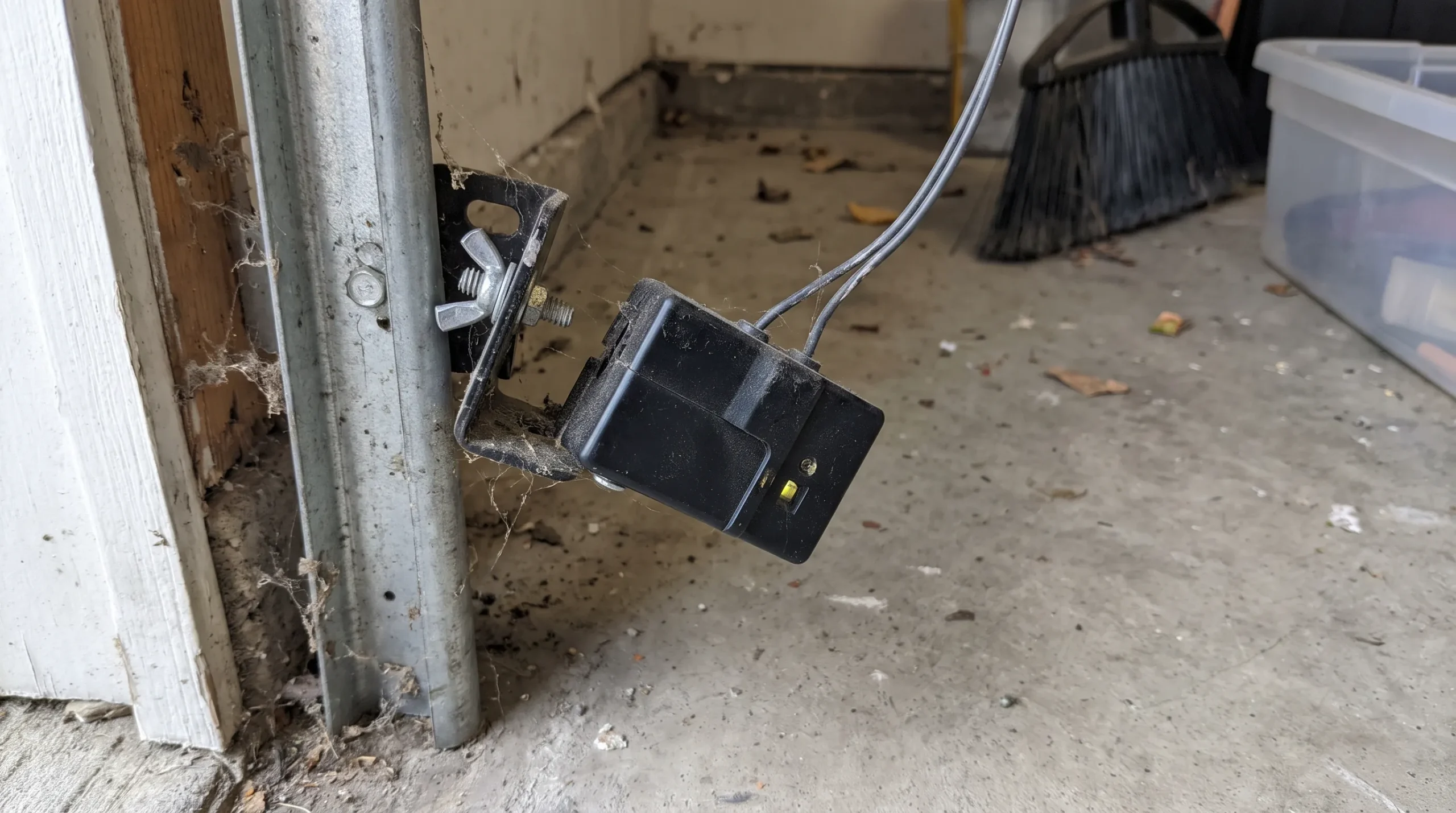
Accidental impact, loose mounting brackets, wiring issues, and shifting temperatures rank among the most frequent reasons garage door sensors drift out of alignment. A garage door service identifies most of these causes early, well before the safety mechanism fails completely.
Wear happens gradually in some cases and instantly in others, which explains why two identical doors can develop the exact same alignment problem for very different reasons. This guide breaks down each cause in detail, what typically triggers it, and how to prevent it from becoming a repeat issue.
Key Takeaways
- Accidental impact from a vehicle or stored item is a leading cause.
- Loose mounting brackets shift gradually with daily door use.
- Vibration from repeated cycles loosens hardware over time.
- Wiring issues interrupt the signal between sender and receiver.
- Temperature swings cause brackets to expand or contract slightly.
What Causes Garage Door Sensors to Fall Out of Alignment?
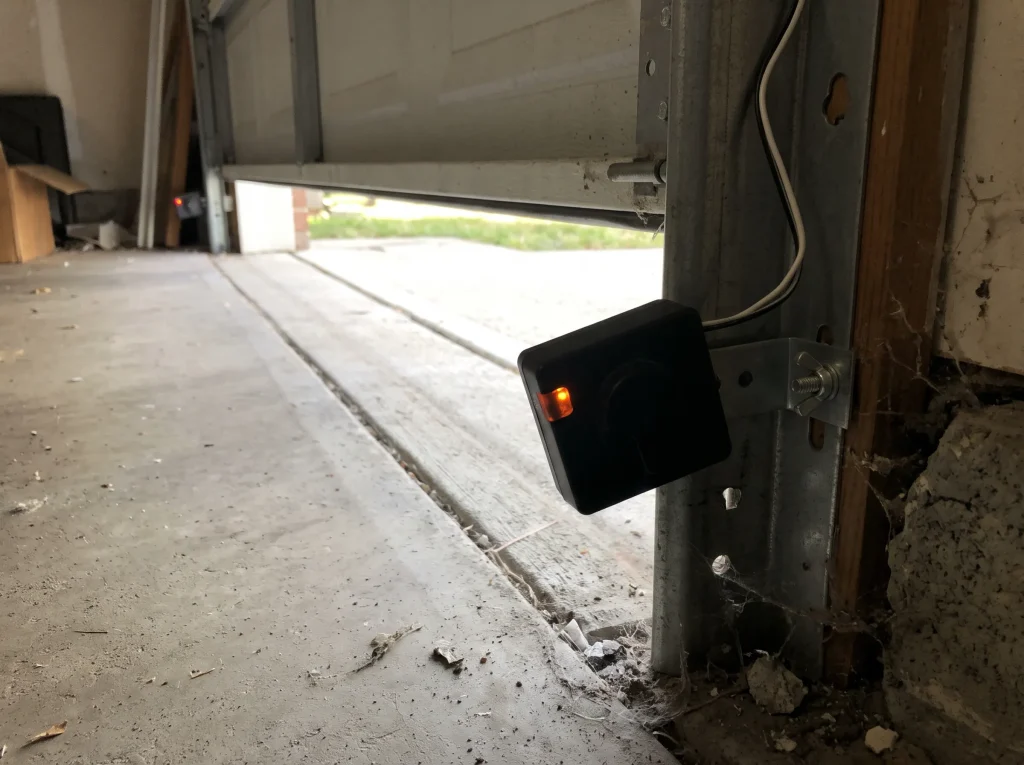
A previously working sensor system almost never fails without a specific, identifiable trigger, whether that shift happens instantly or over several months.
Cause | What It Looks Like | Why It Happens |
Accidental Impact | Bracket knocked visibly out of position | A car, bike, or stored item strikes the sensor directly |
Loose Mounting Brackets | Bracket shifts slightly when touched | Repeated vibration loosens the mounting hardware over time |
Vibration Over Time | Gradual drift with no single obvious event | Daily door cycles slowly shake hardware out of place |
Wiring Issues | Intermittent or completely dark sensor light | Damaged, pinched, or disconnected wiring interrupts the signal |
Temperature Changes | Alignment shifts seasonally without any impact | Expansion and contraction slightly move the bracket position |
Sudden causes tend to involve physical impact, while gradual ones build quietly over months and often go unnoticed until a symptom finally appears.
Accidental Impact
A single hard knock against a sensor bracket can undo weeks of stable alignment in an instant, even when the rest of the door shows no visible damage.
Impact damage typically comes from one of these sources:
- Vehicle bumpers clipping a sensor while backing into the garage.
- Bicycles or lawn equipment leaned against the bracket accidentally.
- Sports equipment thrown or bounced near the sensor housing.
- Storage boxes shifted against the wall during cleaning or organizing.
- Children or pets bumping into low-mounted sensor units.
Severe impact sometimes calls for a garage door panel replacement, not just realignment, if the panel underneath took damage too.
Loose Mounting Brackets
Hardware that once held firm can loosen gradually over time, without any single dramatic event ever triggering the shift.
Loose brackets typically develop through these specific issues:
- Screws backing out slowly from repeated door vibration.
- Wing nuts loosening after months without a routine check.
- Bracket material weakening from age or repeated stress.
- Wall anchors failing in drywall that wasn’t reinforced properly.
- Previous adjustments left slightly loose instead of fully tightened.
Regular garage door maintenance finds loose brackets early, well before they cause a noticeable alignment problem.
Vibration Over Time
Door cycles send a small amount of vibration through the system daily, building up in ways a homeowner seldom notices.
Vibration-related wear typically shows up in these forms:
- Daily opening and closing cycles gradually shaking hardware loose.
- Older doors vibrating more due to worn rollers or tracks.
- Heavy doors transferring more vibration through the mounting system.
- Nearby construction or traffic adding extra vibration to the structure.
- Frequent use throughout the day compounding wear faster than expected.
Vibration-related drift often overlaps with other garage door opener repair needs, since daily cycles wear down several parts at once.
Wiring Issues
Wiring problems interrupt the signal between the two sensor units even when both are still perfectly positioned and facing each other correctly.
Wiring issues typically develop through one of these paths:
- Rodents chewing through insulation near the garage door system.
- Wires pinched during a previous repair or adjustment.
- Corrosion building up on connectors exposed to moisture.
- Loose connections at the sensor housing or the opener unit.
- Wear from repeated flexing near a moving part of the door.
To confirm whether wiring or physical positioning explains a specific symptom, read our guide on How to Tell if Garage Door Sensors Are Aligned, which walks through exactly what each sign usually points to.
Temperature Changes
Seasonal temperature swings expand and contract the materials holding the sensor brackets in place, sometimes just enough to throw off the beam.
Temperature-related shifts typically show up in these situations:
- Metal brackets expanding slightly during extreme summer heat.
- Contraction during cold winter months pulling a bracket out of position.
- Direct sunlight heating one sensor more than the other throughout the day.
- Humidity affecting wood-framed openings holding the bracket in place.
- Seasonal transitions producing the most noticeable alignment shifts.
To determine whether a seasonal shift like this calls for professional attention, read our guide on When to Call a Pro for Garage Door Sensor Issues, which covers the specific signs worth watching for.
Preventing the Most Common Causes of Misalignment
Narrowing down the exact cause behind a specific misalignment often takes nothing more than a closer look at the bracket, wiring, and recent history of the door.
Confirm the likely cause using these steps:
- Bracket inspected closely for any visible bend or shift in position.
- Recent activity near the garage recalled, including impacts or stored items.
- Wiring checked for pinching, corrosion, or signs of rodent damage.
- Weather and season noted for any recent temperature swings.
- Vibration patterns considered based on how often the door cycles daily.
To try the exact adjustments worth attempting once the likely cause has been confirmed, read our guide on Basic Fixes for Misaligned Garage Door Sensors, which covers each step in detail from start to finish.
Identifying the Cause Comes Before the Correct Fix
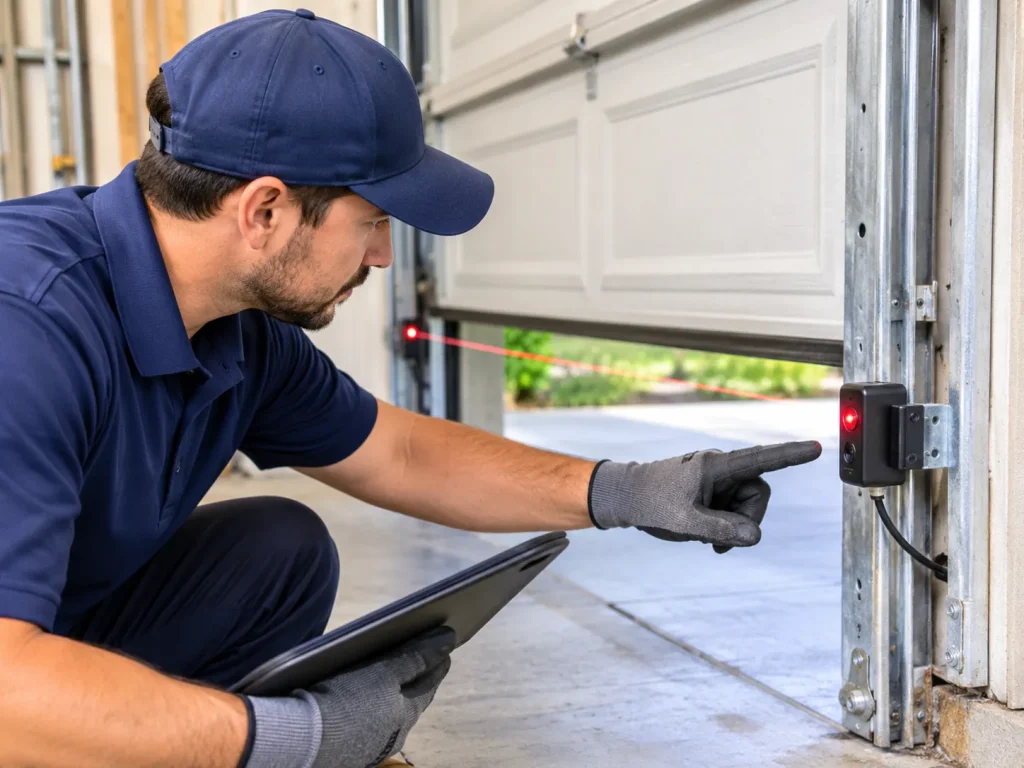
Accidental impact, loose hardware, wiring damage, and temperature shifts all lead to the same outcome, but identifying which one applies keeps a minor alignment issue from becoming a bigger safety concern. A sensor system checked against these specific triggers seldom reaches the point of complete failure.
C&C Garage Door and Opener LLC traces sensor alignment problems back to their exact cause for homeowners across Jefferson, Georgia, instead of guessing at a fix that may not work. Contact us or give us a call today, and let our team confirm which of these causes is actually affecting your system before recommending any repair.