Homeowners replacing a garage door should weigh material, insulation, size, safety features, and total cost before settling on a new door for their home. Getting these decisions right the first time avoids costly adjustments later and helps the garage door installation perform well for years to come.
A handful of key factors ultimately make the difference between a door that fits the home perfectly and one that falls short within just a few short seasons of regular use. Weighing all of them together from the very start leads to a far better outcome than focusing on price, looks, or a single feature alone.
Key Takeaways
- Material and maintenance needs vary widely between steel, wood, and aluminum doors
- Insulation and R-value affect both temperature control and noise reduction
- Exact measurements matter more than relying on standard pre-made sizes
- Safety features like auto-reverse sensors are worth prioritizing on any new door
- Total cost should include labor, warranties, and long-term value, not just the sticker price
Garage Door Replacement Factors at a Glance
Factor | Why It Matters | Key Consideration |
Material and Maintenance | Affects cost, appearance, and upkeep | Steel, wood, aluminum, composite, or vinyl |
Insulation and R-Value | Controls temperature and noise in attached garages | Polyurethane offers higher R-value than polystyrene |
Size and Fit | Prevents installation delays and mismatches | Exact measurements, headroom, and wall clearance |
Style and Curb Appeal | Impacts resale value and home appearance | Color, panel design, and hardware choices |
Security and Safety Features | Protects the household and the door itself | Auto-reverse sensors, rolling code, battery backup |
Opener Compatibility | Prevents motor strain and premature failure | Horsepower rating matched to door weight |
Electrical and Lighting | Supports smart features and added convenience | Extra circuits, EV charging, upgraded wiring |
Local Climate and Codes | Determines which materials perform best | Salt air, storms, HOA rules, building codes |
Total Cost and Financing | Balances upfront price against long-term value | Labor, warranties, resale value, financing options |
Professional Installation | Reduces injury risk and protects the warranty | High-tension springs require trained technicians |
Core Selection Factors
Material and Maintenance
Choosing the right material comes down to balancing upfront cost, appearance, and the level of upkeep the homeowner is willing to commit to over the long term.
Material affects a garage door’s performance in the following ways:
- Steel offers strength and a lower price point with minimal upkeep required
- Wood delivers a high-end custom look but needs staining and resists rot poorly
- Aluminum resists rust well but dents more easily than steel or wood
- Composite and vinyl options split the difference between cost and low maintenance
- Local climate often narrows down which material actually performs best long-term
To understand how a door’s material affects the decision to repair or replace it in the first place, read our guide on When to Replace Garage Door Instead of Repairing It, which covers the age, damage, and cost factors behind that call.
Insulation and R-Value
Insulation matters most for attached garages, where temperature control and sound reduction both depend on the door’s R-value.
R-value and insulation affect a new garage door in the following ways:
- Polyurethane insulation offers higher thermal resistance than polystyrene foam
- Attached garages benefit more from insulation than detached, standalone structures
- Higher R-value doors reduce noise transfer between the garage and living space
- Insulated doors help stabilize temperature swings during extreme heat or cold
- Poor insulation lets outdoor air leak in, raising energy bills over time
This upgrade pays off fastest for homeowners, especially when paired with proper garage door maintenance over the years.
Size and Fit
Getting exact measurements right the first time around avoids costly adjustments, delays, and frustration once installation day finally arrives.
Sizing accuracy depends on the following details:
- Exact height and width measurements rather than assumed standard sizes
- Track alignment affecting how smoothly the new door will operate
- Headroom clearance determining which opener and track systems will fit
- Wall clearance on both sides affecting spring and hardware placement
- Older homes sometimes requiring custom sizing instead of standard options
A door measured incorrectly from the start often leads to a second visit, wasted time, and unnecessary repair costs down the line.
Style and Curb Appeal
Choosing a door style that fits the home’s architecture makes a noticeable difference in overall curb appeal and resale value.
Style choices affect a home’s appearance in the following ways:
- Matching the color scheme with the home’s main entry door
- Choosing a panel design that complements the home’s architectural style
- Decorative hardware adding character without a full custom door price
- Window inserts letting in natural light while maintaining privacy
- A well-matched door boosting home value more than a mismatched one
A door chosen to match the home’s existing style tends to hold its value better over time than one picked on looks alone.
Safety, Technology and Infrastructure
Security and Safety Features
Modern safety features protect both the household and the door itself from common accidents and break-in attempts.
Safety upgrades worth prioritizing include the following:
- Auto-reverse sensors stopping the door if something blocks its path
- Photo-eye sensors detecting obstructions before the door makes contact
- Rolling code technology preventing signal theft from older remotes
- Reinforced, impact-resistant panels holding up better against forced entry
- Battery backup keeping the opener working during a power outage
Prioritizing these safety features from the very start costs far less over time than retrofitting them into a finished door later.
Opener Compatibility
A new garage door’s weight and balance need to match what the existing automatic opener can actually handle.
Opener compatibility depends on the following factors:
- The opener’s horsepower rating matching the new door’s total weight
- Older openers sometimes lacking the safety features required on newer doors
- Belt, chain, and screw-drive openers all handling weight differently
- A mismatched opener straining the motor and shortening its lifespan
- Budgeting for a garage door opener installation if the current unit falls short
Confirming compatibility ahead of time helps ensure the new door runs smoothly rather than straining an outdated, underpowered opener.
Electrical and Lighting
A handful of garage door upgrades require electrical work beyond what the door and opener alone require, especially when smart features are involved.
Electrical needs vary based on the following:
- Extra circuits needed for smart home integration or added lighting
- EV charging stations requiring dedicated power near the garage
- Older wiring sometimes needing an upgrade before installation begins
- Smart garage door openers requiring a stable Wi-Fi connection to function properly
- Additional lighting improving safety and visibility during nighttime use
Planning for these electrical needs early on keeps the overall budget accurate and avoids costly surprises once the work begins.
Local Climate and Codes
Local weather patterns and building codes both shape which garage door options actually make sense for a given home.
Climate and code considerations include the following:
- Coastal salt air requiring rust-resistant materials like aluminum or vinyl
- Heavy storm regions benefiting from reinforced, wind-rated doors
- Local building codes sometimes dictating minimum insulation or safety standards
- Community HOA rules occasionally restricting color or style choices
- Extreme heat regions favoring materials that resist warping over time
Checking these local details early on helps the final door choice actually hold up well against real, everyday conditions over time.
Financial and Execution Details
Total Cost and Financing
Comparing the full cost of a new door against long-term value gives a clearer picture than focusing on the upfront price alone.
Total cost depends on the following factors:
- Labor and material quotes varying based on size, style, and material
- Warranties affecting long-term value more than the initial purchase price
- Energy-efficient doors often paying for themselves through lower energy bills
- Home resale value sometimes recovering a strong share of replacement cost
- Financing options making a higher-quality door more affordable upfront
To weigh how a door’s expected lifespan factors into whether the cost of replacement is worth it, read our guide on How Long Do Garage Doors Typically Last, which breaks lifespan down by material and climate in detail.
Professional Installation
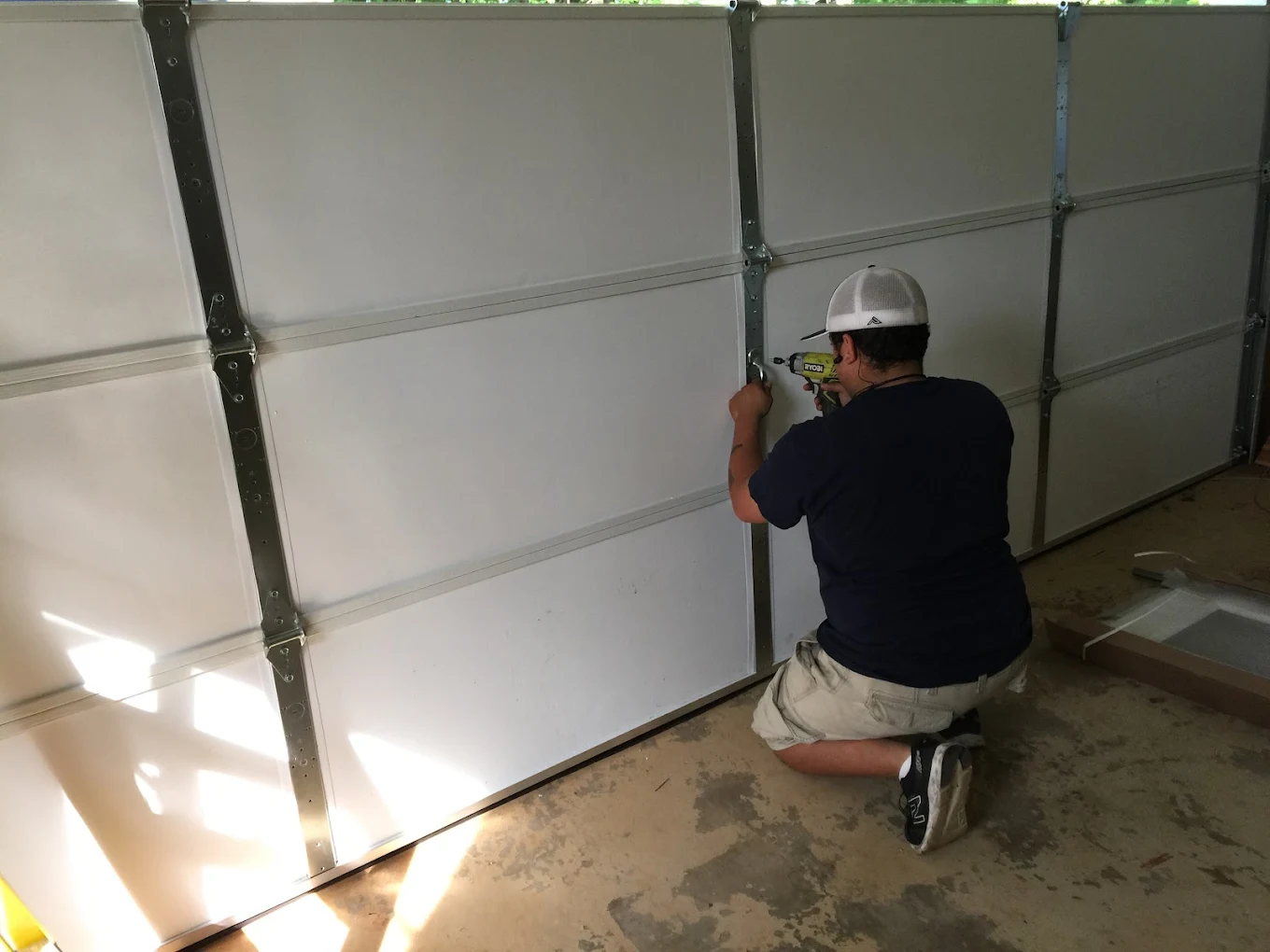
Professional installation avoids the safety risks associated with handling heavy-tension springs and tracks without proper training.
Installation risks and considerations include the following:
- High-tension springs carrying enough force to cause serious injury
- Misaligned tracks leading to uneven wear soon after installation
- DIY installation voiding manufacturer warranties on the new door
- Professional crews completing most installations within a single day
- Proper installation extending the door’s lifespan well beyond a rushed setup
To walk through exactly how a professional evaluates and completes a replacement job, read our guide on How Do Pros Approach Garage Door Replacement, which explains what happens during that first inspection.
Making the Final Call Before Replacement Day
Weighing these factors together, rather than focusing on just one, leads to a garage door that performs well for years and fits the home’s needs.
Before finalizing a garage door replacement, homeowners should do the following:
- Confirm exact measurements before ordering the new door
- Choose a material suited to the local climate and maintenance preferences
- Verify opener compatibility or budget for a new unit if needed
- Compare quotes that include labor, warranty, and long-term value
- Schedule professional installation rather than attempting the job alone
Working through this checklist before ordering a new door helps the whole replacement process go smoothly from start to finish.
Make the Right Call Before Replacement Day Arrives

A number of decisions made before installation day shape how well the new garage door ultimately performs for years to come, long after the crew has left. Taking the time to weigh material, safety, and cost together leads to a door that fits the home rather than one that falls short in just a few seasons.
C&C Garage Door and Opener LLC guides homeowners throughout Jefferson, Georgia, through each of these decisions, from material selection to final installation day. Contact us or give us a call today, and let our team help choose the right garage door for your home and budget.