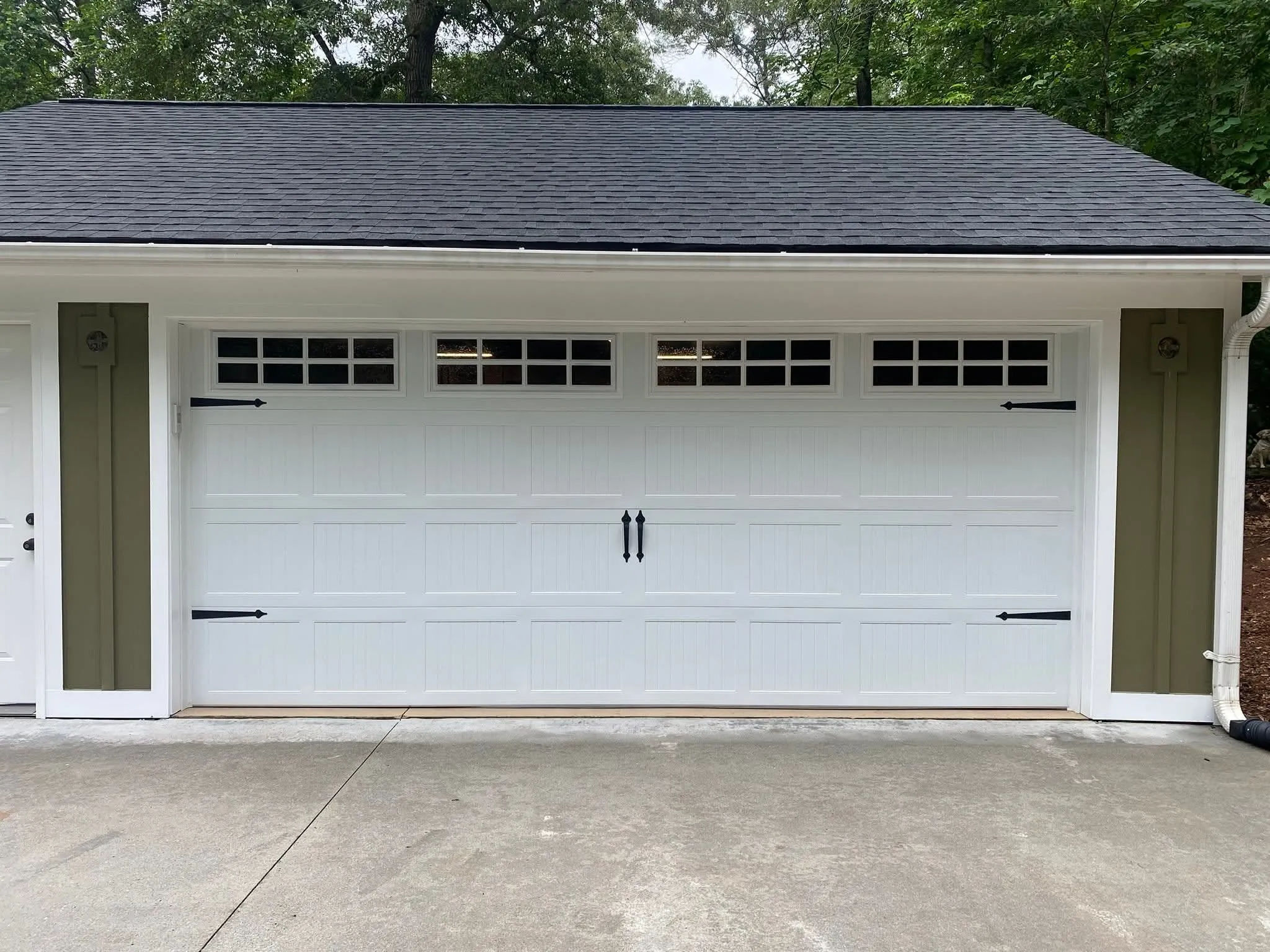
A garage door is ready for replacement rather than repair once repair costs climb noticeably, visible damage appears on the panels or frame, or the door reaches its typical expected lifespan. That combination of signals is usually one of the clearest indications worth acting on before a small issue turns into a bigger, more expensive problem.
Waiting too long for a garage door replacement can also mean sacrificing energy efficiency, since an aging door often seals and insulates less well than a new one. Weighing the door’s age, the extent of any damage, and total repair costs together gives a much clearer answer than looking at any single factor on its own.
Key Takeaways
- Most garage doors last between 15 and 30 years depending on material and frequency of use
- Recurring repairs that cost more than half of a new door signal it is time to stop repairing
- Visible damage to door panels or the frame often means a full replacement is the safer choice
- Outdated safety features on an old garage door increase risk more than most homeowners realize
- Rising energy bills can point to a garage door that no longer insulates the way it should
How Long Do Garage Doors Usually Last
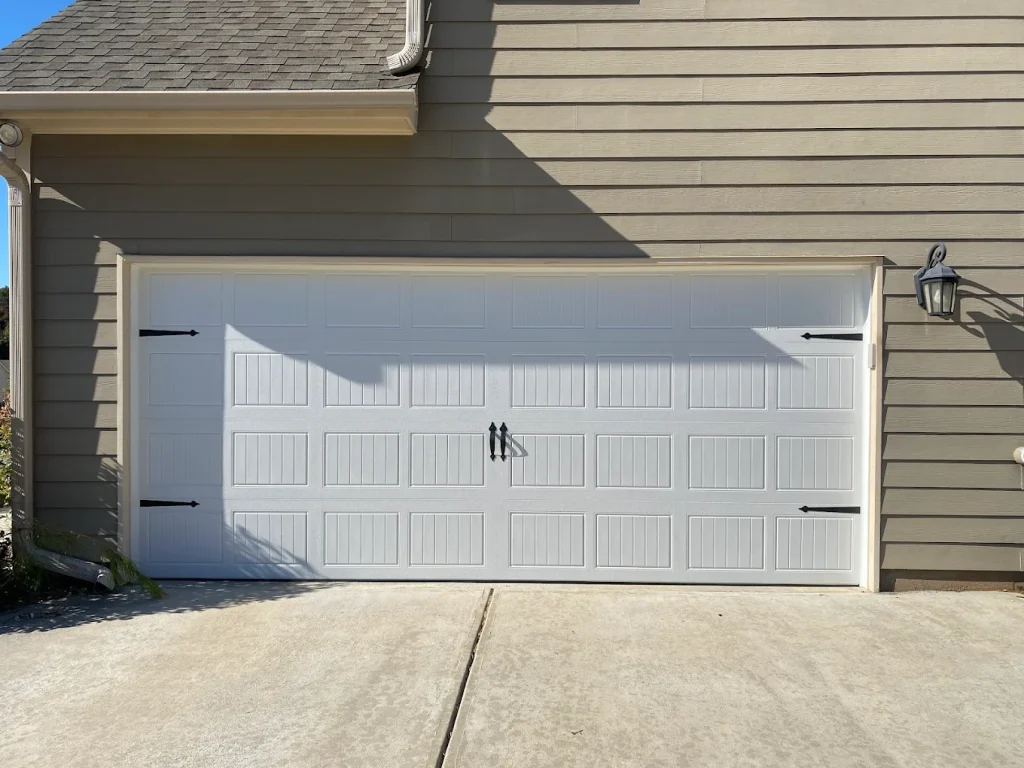
A typical garage door lasts between 15 and 30 years, though steel, wood, and aluminum doors all wear at different rates depending on climate exposure and frequency of use.
Lifespan generally breaks down along these lines:
Material | Typical Lifespan | Notes |
Steel garage doors | 20 to 30 years | Holds up well with regular maintenance |
Wood doors | 15 to 20 years | Often needs replacement sooner than steel or aluminum |
Aluminum doors | 20 to 25 years | Falls in the middle for durability |
Older garage doors | Varies, often shorter | Doors made before modern coatings tend to wear out faster |
Doors in hot, humid climates | Often below average | Georgia’s heat and humidity can shorten expected lifespan |
To review a full material-by-material breakdown of how many years a garage door system should realistically last, read our guide on How Many Years Does a Garage Door Usually Last, which covers lifespan by material and climate in more detail.
Signs a Garage Door Needs Replacement
Old Age
Most quality garage doors last between 15 and 20 years, while lower-quality options often wear out in as little as 5 to 10 years.
Age-related wear like this usually shows up as one of the following:
- Faded or peeling finish that no longer matches when repainted
- Hardware that has outlasted its expected lifespan and needs frequent adjustment
- A door that feels noticeably heavier or slower to operate than it once did
- Panels that have thinned or weakened after years of exposure
- An automatic opener straining more than it did when the door was new
An older garage door nearing the end of its lifespan is rarely worth more repairs, and a timely garage door replacement helps avoid a sudden failure later.
Heavy Damage
Multiple cracked, dented, or warped panels compromise both the door’s safety and its long-term structural integrity.
Damage at this level usually comes from one of the following:
- A collision from a vehicle or equipment inside the garage
- Prolonged exposure to sun and moisture warping wood or steel panels
- Rust spreading along seams on an old garage door
- Impact damage to a section that no longer matches available replacement parts
- Cosmetic damage left unrepaired until it affected the panel’s structure
Heavy damage across multiple panels is one of the clearest signs that garage door panel replacement alone will not solve the underlying problem.
Constant Fixing
Repair bills that add up to the cost of a new door are one of the clearest financial signs that replacement is the smarter move.
Constant fixing like this typically stems from one of the following:
- Recurring calls for the same part failing again within months
- A door old enough that replacement parts are harder to source
- Multiple systems, like the opener and springs, failing around the same time
- Repairs that only address symptoms instead of the underlying cause
- A repair bill approaching half the price of full replacement
A door reaching this point usually costs less to replace outright than to keep repairing it piece by piece over time.
Loud or Unsafe Operation
Grinding noises, persistent tracking issues, or a door that regularly falls off track all point to problems beyond routine wear.
Unsafe operation like this is usually tied to one of the following:
- Worn rollers or hardware no longer supporting the door evenly
- A bent or misaligned track affecting how the door travels
- A noisy garage door opener straining against a heavier or unbalanced door
- Torsion springs nearing the end of their expected lifespan
- Safety sensors no longer functioning the way they should
A door that keeps coming off track or making unsafe noise needs more than another adjustment, since running it that way raises the risk of sudden failure.
High Energy Bills
Poor seals or inadequate insulation allow outdoor air to leak in, driving energy bills higher than they should be.
Energy loss like this is usually caused by one of the following:
- Worn or missing weatherstripping around the door’s edges
- An uninsulated door letting outdoor temperatures pass through easily
- Gaps along the bottom seal from age or warping
- Older garage doors built before energy-efficient materials were standard
- A frame that no longer sits flush against the door panels
High energy bills tied to the garage door are one of the strongest reasons to consider a new garage door opener and door upgrade together.
What Causes a Garage Door to Wear Out Early
A handful of factors can push a garage door toward replacement sooner than expected, and knowing the cause helps determine whether repair still makes sense.
These are the most common causes behind early wear:
- Heavy daily use straining the automatic opener and hardware
- Skipped maintenance letting small issues like a noisy garage door go unaddressed
- Extreme heat and humidity across Georgia accelerating wear on door panels
- Outdated safety features never upgraded since the original installation
- Unrepaired cosmetic damage eventually affecting the door’s structural integrity
Two or more of these causes occurring together usually make garage door replacement the better option than continued repairs.
What to Consider Before Replacing a Garage Door
Homeowners weighing a full replacement should look past the sticker price and consider a handful of key factors that affect long-term value.
These considerations help determine whether replacement is the smarter investment:
- Garage door replacement cost compared to the price of repeated repair costs
- Energy efficiency improvements available through modern garage doors and better insulation
- How much curb appeal and home value a new door can realistically add
- Available decorative hardware and design options across a wide range of styles
- Whether current safety features meet today’s standards for automatic openers
To walk through the full decision process, including cost comparisons and design choices, read our guide on What to Consider When Replacing a Garage Door, which covers each of these factors in greater depth.
How Professionals Replace a Garage Door
A professional garage door replacement follows a consistent process, and understanding the steps helps set expectations before the crew arrives.
A typical replacement appointment includes the following steps:
- An initial inspection to confirm replacement is the right call over repair
- Removal of the old garage door and door panels down to the frame
- Installation of the new garage door, opener, and any updated hardware
- A final safety check covering sensors, torsion springs, and the automatic opener
- A walkthrough explaining the new garage door opener and its safety features
To understand how pros evaluate a job before recommending a full replacement, read our guide on How Do Pros Approach Garage Door Replacement, which explains what happens during that first inspection.
Choose a New Garage Door That Actually Fits Your Home
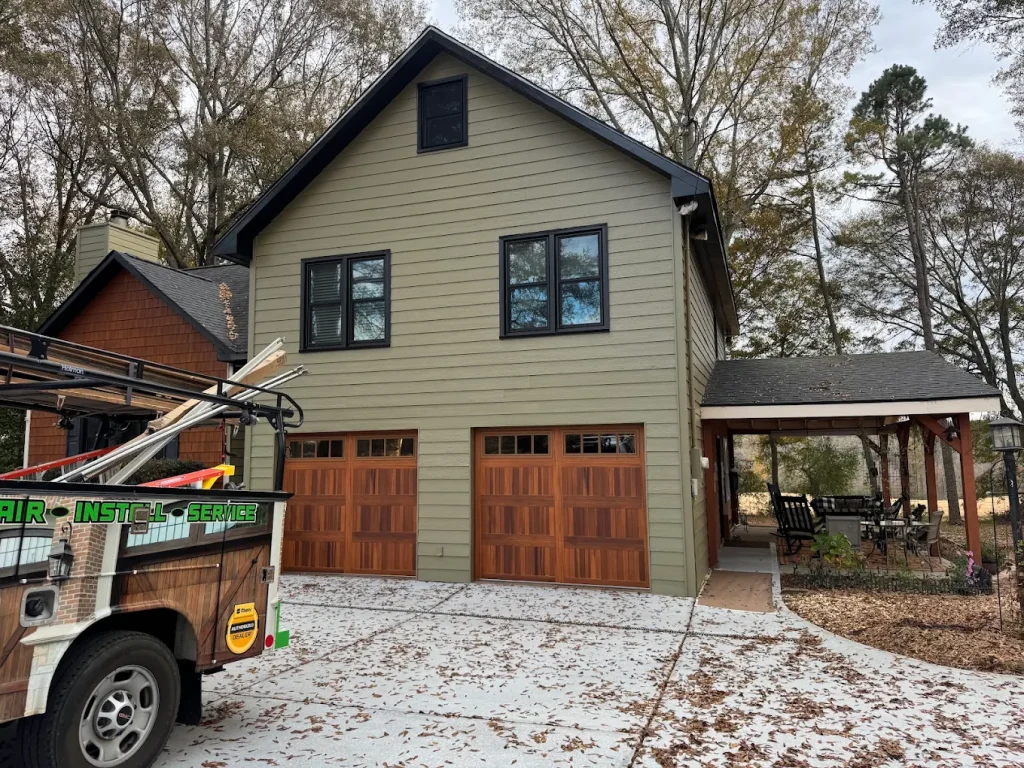
Deciding between another repair and a full replacement comes down to comparing the real cost of both paths over time, not just the bill sitting in front of you today. A door that keeps failing in new, unpredictable ways almost always ends up costing more in the long run than a single, well-planned replacement.
C&C Garage Door and Opener LLC works with homeowners throughout Jefferson, Georgia, helping them decide when a repair still makes sense and when a new garage door is the better investment. Contact us or give us a call today, and let our team provide a straightforward inspection before you spend another dollar on repairs.