A typical garage door lasts between 15 and 30 years, depending on the material it’s made of, with steel and solid wood often lasting the longest overall, especially with proper garage door installation from the start. Fiberglass usually falls on the shorter end of that range, while aluminum, vinyl, and composite land somewhere in between.
Frequency of use, climate exposure, and maintenance history all influence whether a specific door falls at the upper or lower end of its expected range. Understanding the lifespan of a garage door by material helps homeowners plan ahead rather than be caught off guard by a sudden failure.
Key Takeaways
- Steel garage doors typically last 15 to 30 years with regular maintenance
- Solid wood doors can reach 20 to 30 years but need consistent sealing and painting
- Aluminum doors resist rust well but dent more easily than other materials
- Fiberglass doors often fall short of other materials, especially under heavy sun exposure
- Frequency of use and climate exposure affect every material’s lifespan differently
Average Garage Door Lifespan by Material
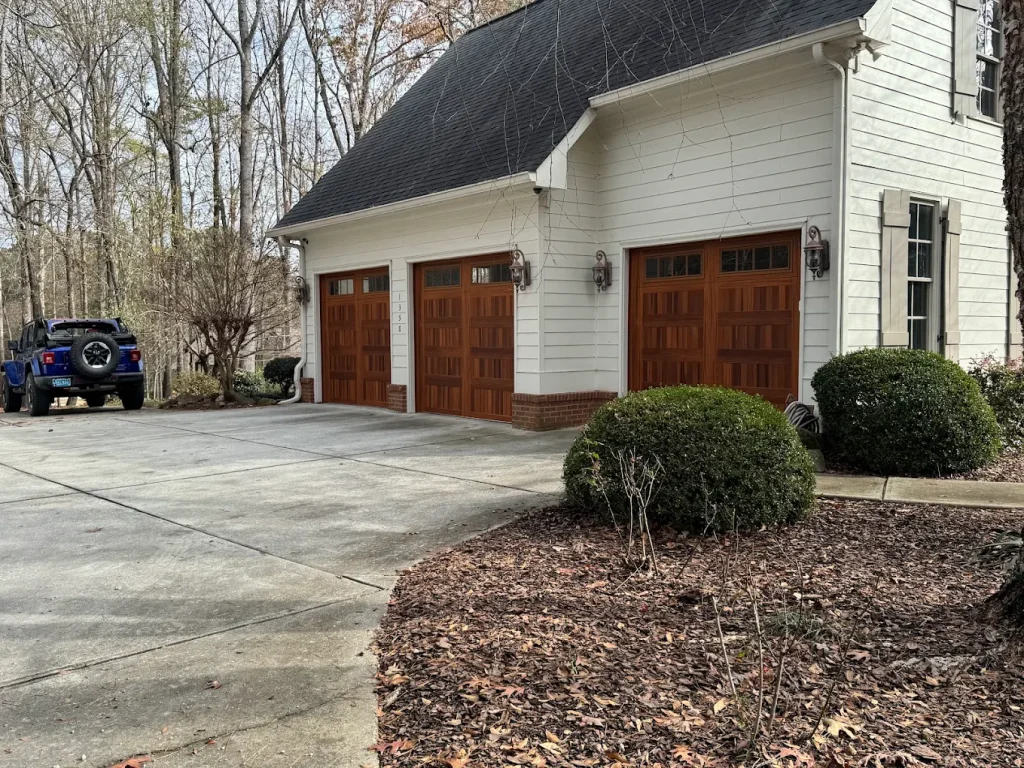
The average garage door’s lifespan depends heavily on the material it’s made of, since each material wears differently under daily use and weather exposure.
|
Material |
Typical Lifespan |
Key Trait |
|
Steel |
15 to 30 years |
Durable, but can rust if scratched |
|
Solid Wood |
20 to 30 years |
Needs regular sealing and painting |
|
Aluminum |
15 to 25 years |
Rust-resistant, but dents easily |
|
Fiberglass |
10 to 25 years |
Can crack under heavy impact or sun |
|
Vinyl |
20 to 30 years |
Low maintenance, resists dents and rust |
|
Composite |
20 to 30 years |
Wood look with better rot resistance |
The sections below break down each material in more detail, including the specific factors that affect its lifespan.
Steel Garage Doors
Steel garage doors typically last between 15 and 30 years, making them among the most durable options on the market today.
A few specific factors shape how long steel actually lasts:
- Hinges and rollers wearing faster on high-traffic doors used multiple times a day
- Coastal or humid climates raising rust risk once the surface gets scratched or chipped
- Regular lubrication and rust checks stretching the door well past its average lifespan
- A poor original installation leading to early misalignment across the door panels
- Dents from heavy impacts exposing bare metal underneath the protective coating
Steel remains a smarter investment for homeowners seeking a durable door with fewer garage door repair needs over time.
Solid Wood Garage Doors
Solid wood doors can last 20 to 30 years, but only with consistent upkeep that prevents moisture from degrading the material.
Wood’s lifespan depends heavily on the following:
- Humidity and rain swelling the wood grain if sealant wears thin
- Direct sun exposure drying out and cracking the protective finish over time
- Insects or rot setting in once moisture gets past an unsealed surface
- Seasonal expansion and contraction stressing joints and panel seams over the years
- Refinishing schedules slipping, letting small cracks in the sealant spread further
A solid wood door reaches its full lifespan when its sections receive consistent sealing and quick attention to early cracks before they spread.
Aluminum Garage Doors
Aluminum doors typically last 15 to 25 years, offering strong rust resistance but less resistance to dents than steel or wood.
Durability against impact matters more than weather here:
- Thinner-gauge aluminum denting more easily than thicker, higher-grade panels
- Hail or falling debris leaving marks that thicker steel would resist
- Coastal climates actually favoring aluminum thanks to its natural rust resistance
- Minor dents left unrepaired eventually affecting how the panels sit in the track
- Extreme heat causing slight warping in lower-quality aluminum models over time
Aluminum offers a smarter choice for homeowners near the coast who want to avoid rust-related repair costs and unnecessary garage door panel replacement.
Fiberglass Garage Doors
Fiberglass doors typically last 10 to 25 years, often landing on the shorter end compared to steel or solid wood.
Sun and impact resistance drive most of fiberglass’s wear:
- Prolonged UV exposure making the resin shell brittle over time
- Heavy impacts cracking panels more easily than steel or aluminum
- Foam insulation inside the panel breaking down after many years of use
- Temperature swings causing slight warping in lower-grade fiberglass doors
- Small cracks left unaddressed spreading further across the panel’s surface
To weigh the cost comparisons and design choices that come with a full replacement, read our guide on What to Consider When Replacing a Garage Door, which covers each of these factors in greater depth.
Vinyl Garage Doors
Vinyl garage doors typically last 20 to 30 years, holding up well against dents, rust, and everyday wear.
Vinyl’s durability comes with a few tradeoffs:
- Extreme heat occasionally causing warping in older or lower-quality vinyl models
- UV exposure over decades slowly fading the door’s outer finish
- Cold climates making thinner vinyl models more prone to cracking
- Minimal maintenance needs compared to wood or steel garage doors
- Impact from heavy objects still able to crack thinner vinyl panels
Vinyl remains one of the most reliable choices for homeowners seeking a modern garage door with minimal garage door maintenance.
Composite Garage Doors
Composite garage doors typically last 20 to 30 years, combining the look of wood with stronger resistance to rot and warping.
Composite’s engineered core changes how it ages:
- Humid climates have little effect thanks to composite’s moisture-resistant core
- Extreme heat and cold cycling occasionally cause delamination in lower-grade composite doors
- Occasional refinishing keeps the door’s appearance and protective layer intact
- Edge and seam durability holding up better than fiberglass over the decades
- Heavy impacts denting the outer layer less often than fiberglass or aluminum
To see how a professional evaluates a job before recommending a full replacement, read our guide on How Do Pros Approach Garage Door Replacement, which explains what happens during that first inspection.
How to Get the Most Years Out of a Garage Door
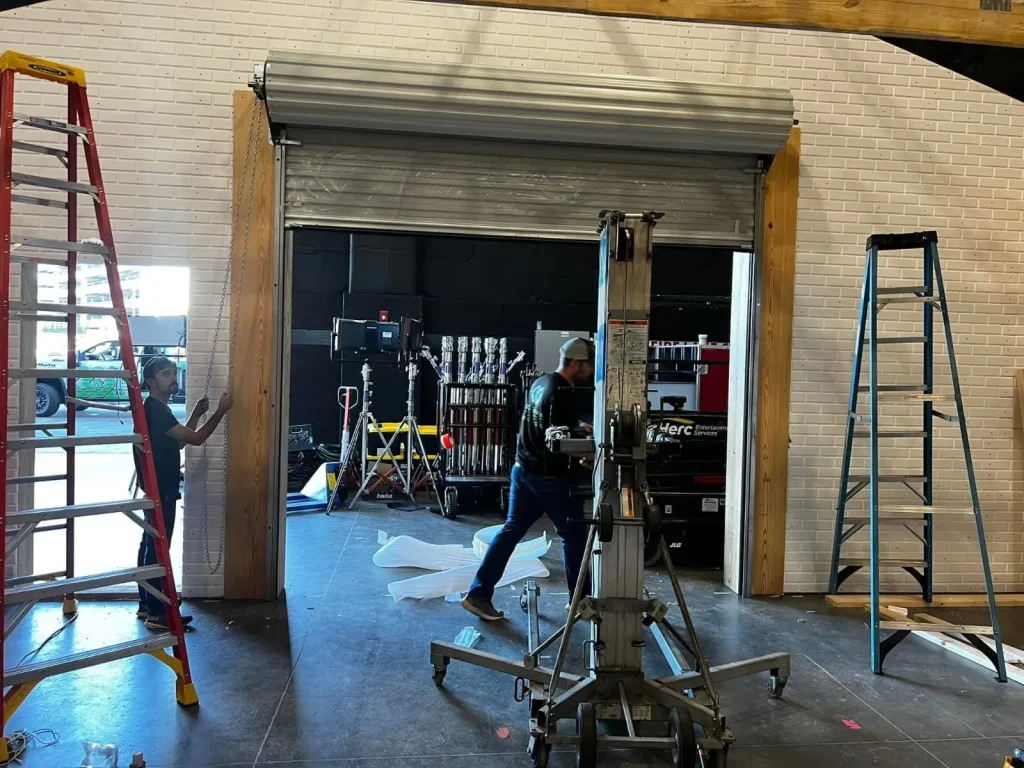
A few consistent habits make the difference between a door that reaches the low end of its expected lifespan and one that reaches the high end.
Homeowners can extend a garage door’s lifespan by doing the following:
- Scheduling routine garage door service to catch small issues early
- Lubricating garage door springs, rollers, and tracks on a regular basis
- Repairing cosmetic damage before it spreads to the door’s structure
- Checking the automatic opener’s settings and sensors once or twice a year
- Watching for warning signs like excessive noise or visible damage between services
To review the full material-by-material breakdown behind these lifespans, read our guide on When to Replace Garage Door Instead of Repairing It, the master guide covering every stage of the decision.
Make Every Material Choice Count for the Long Haul
Picking a garage door built to last starts with understanding how each material actually performs under real weather, daily use, and years of wear, not just its price tag on installation day. A door selected for the long run saves on repair costs and keeps the garage looking its best well into the next decade.
C&C Garage Door and Opener LLC helps homeowners throughout Jefferson, Georgia, select a new garage door that matches their local climate, household budget, and how often the door actually gets used each day. Contact us or give us a call today, and let our team walk through the best material options for a door built to last for years to come.